

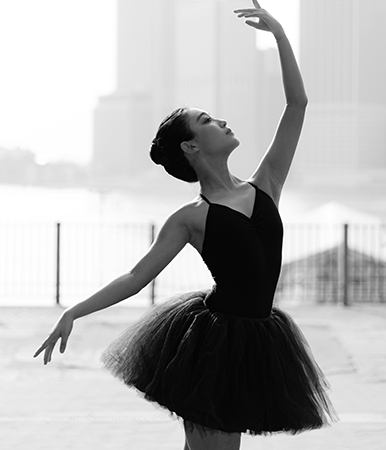
Children shoot up between recitals, and their wardrobes often struggle to keep pace. That can leave you buying new leotards every semester and wondering why those tights look short after one wash. Clothes‐that‐grow thinking flips the script. You focus on stretch, adjustability, and sturdier seams instead of chasing exact sizes. The result is dancewear that gives your child the freedom to move today and the wiggle room to grow tomorrow. Over the next sections, we will explore fabrics that rebound, straps that adjust, and care habits that make each piece last longer. By the end, you will know how to build a kit that keeps up with growth spurts and saves money over time.
Stretch Over Size Charts
Your first ally is fabric elasticity. A good children’s leotard usually mixes 88-92 % nylon with 8-12 % spandex. The nylon provides shape, while spandex lets the garment expand up to 50 % in width without losing support. That means a size six can often cover a fast-growing seven-year-old until the next recital season. Look for labels that specify a four-way stretch, which moves sideways and lengthwise, not just across the chest.
- Recovery rate: Fabrics tested for at least 95 % recovery bounce back after a long split.
- Gram weight: A range of 180–200 g/m² gives a balance of opacity and breathability for hot studios.
- Seam style: Flatlock seams reduce skin rub and handle frequent stretching better than overlock stitching.
Understand Fabric Science
Cotton feels soft but holds sweat. Polyester dries quickly but can pill. A blended option often wins for children who dance in multiple classes. The sweet spot combines polyester microfibers (for airflow) and spandex (for stretch). Microfibers measure less than one denier, allowing sweat to evaporate in minutes. Add a “Coolmax” or “Moisture-wick” tag, and you will get fabric built to keep skin drier, reducing odor and fungal worries. Test quality by stretching the fabric over your hand: if skin tone shows through, opacity may fail under stage lighting. Also, pinch under bright light; yarn ends up sticking out, which means future snags. A little knowledge of fibers prevents mid-semester replacements and keeps your young dancer confident during every pirouette.
Smart Sizing Tricks
Many parents fall into the “room to grow” trap—buying two sizes up only to watch straps slip during class. Instead, use targeted upsizing. Choose the correct torso length because that measurement controls crotch comfort and shoulder strain. Then, let elasticity handle width. If your child’s girth lands at the very top of a chart, go up just one size. Combine that with “growth seams”—extra half-inch seam allowances found on some recital costumes. A tailor can release those seams later so the costume fits another season. Mark purchase dates inside with a fabric pen; you will see a clear timeline and plan replacements before costume week panic begins.
Convertible Dance Tights
Tights rip first, so choose convertible pairs that flip between footed and footless. The trademark heel opening lets toes stay free during lyrical rehearsals yet slip back for classical barre work. High-quality convertible tights offer:
- Microfiber yarns (40 denier) for warmth without bulk.
- Knit-in waistband that resists roll-down better than sewn elastic.
- Dyed-in color rather than surface dye, so shades survive washes without streaks.
Rotate two pairs each week and wash in separate mesh bags; the friction of jeans can weaken nylon filaments. A single well-cared-for pair often survives six months, far longer than standard hosiery.
Adjustable Straps Save
Look for camisole leotards with clear sliders on back straps. They behave like bra adjusters and add up to 3 cm of length. When a growth spurt hits, loosen both sides evenly, and the garment sits flat again. Some brands embed snap loops that allow crossed or straight configurations—handy for different choreography styles. Remember to inspect sliders for sharp edges; a cheap metal piece can fray fabric within weeks. Keep a tiny screwdriver in the dance bag to tighten screws that loosen over time. A two-minute tweak after class can spare you a late-night emergency shopping trip.
Layering For Season Shifts
Studios swing from chilly mornings to hot afternoon rehearsals. Smart layering keeps children comfy and protects the garments beneath. Warm-up sweaters knitted from acrylic spandex blends stretch around broader shoulders later in the year. Pull-on shorts with 2-inch inseams shield leotard seats from abrasive studio floors, limiting pilling. Teach younger dancers to shed layers once their muscles warm to prevent overheating. Storing layers in mesh-vented bags allows airflow and curbs mildew during busy competition weekends. By treating layers as armor, you reduce wear on the core pieces that cost more to replace.
Care That Extends Life
Dancewear longevity starts at the laundry basket. Skip fabric softener; it coats spandex fibers and reduces stretch. Instead, soak items for 10 minutes in cool water mixed with one teaspoon of gentle shampoo. Rinse, press in a towel (never wring), and hang flat away from the sun, which can fade saturated colors like stage black. Machine washing? Use a PBS-free sport detergent on the gentle cycle and cold water. Set a phone timer—leaving damp garments bundled overnight invites bacteria that break down elastane. Investing five extra minutes in care can double the garment’s lifespan, lowering yearly replacement costs.
Hand-Me-Down Strategy
Quality dancewear often outlasts one child’s size. Start a labeling system: write the purchase month and child’s initials on a small piece of cotton tape stitched inside. When younger siblings grow, you can sort by date and condition. For community studios, consider a swap box where families trade gently worn items. Teach kids to respect borrowed pieces by folding them after class and avoiding outdoor wear. This habit extends gear life and builds a culture of sharing that eases financial strain for everyone. A mindful hand-me-down routine keeps closets tidy and budgets intact.
When To Replace
Even the best kit has an end date. Watch for faded color under studio lights, overstretched leg openings that no longer lay flat, and thinning seat fabric. Test elasticity by stretching straps two inches; if they fail to bounce back right away, the spandex has broken down. Convertible tights with more than two visible “ladders” risk tears on stage. Build a simple log—write garment type and first use it in a notebook. Most children’s leotards last 8–12 months with proper care, while tights average 30 wears. Scheduled checks avoid last-minute costume stress and keep your dancer looking tidy and confident.
Keep Them Moving
Growing dancers deserve clothes that move as fast as they do. By picking fabrics with strong rebounds, choosing parts that adjust, and caring for each piece wisely, you create a wardrobe that spans growth spurts without constant replacement. You also teach your child smart habits—checking seams, washing gently, and sharing with others—that foster respect for their tools of the trade. A thoughtful kit saves money, cuts stress, and lets every class focus on artistry rather than wardrobe crises. Keep these guidelines close, and your young performer can leap, turn, and stretch today while their dancewear stays ready for the next stage tomorrow.

