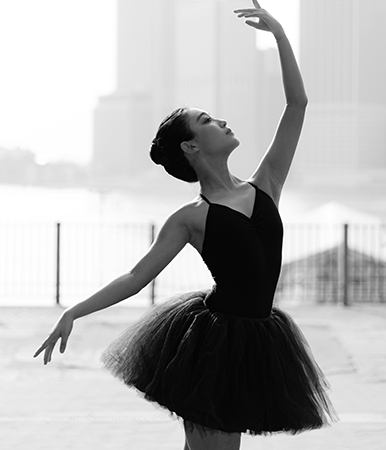
A class can be lost before the first plie if the gear is wrong. Tight straps, loose shoes, or a leotard that rides up all pull focus from technique and fun. Good dancewear does more than look neat—it protects joints, helps teachers see alignment, and lets muscles stay warm without overheating. When we fit a dancer, we look at fabric stretch, moisture control, and how seams sit against skin. A nylon-spandex mix with at least 12 percent elastane keeps shape while allowing full range. Add flatlock stitching, and you will cut friction blisters by half. By fixing common outfit errors, we free dancers to think about turns, not tugging hems.
Wrong Size Woes
Wearing the wrong size is the fastest way to sabotage progress. A baggy leotard hides posture faults; a too-tight one restricts ribs, making breathing shallow. Pointe shoes one size off can strain metatarsals and shorten shoe life by 30 percent. Our fitters measure foot width, arch height, and torso length, then match brands that suit each build.
- Two-finger strap test: secure yet not digging.
- Torso check: The leotard torso should stretch no more than 5 percent at rest.
- Shoe shell check: toes must lie flat, not curl.
With proper sizing, dancers gain better balance, cleaner lines, and fewer floor burns.
Skipping Fabric Care
A great outfit can fail after ten washes if cleaned the wrong way. Heat breaks elastane fibers above 105 °F, so tumble-drying knocks 20 percent off stretch life. We coach families to cold-rinse gear in mild soap and air-dry for 24 hours.
- Turn garments inside out to protect the shine.
- Use mesh bags to stop strap knots.
- Add a tablespoon of white vinegar to remove the odor of bacteria.
Following these basics keeps color rich and fabric rebound high, meaning leotards last the full recital season instead of fraying halfway through.
Ignoring Shoe Lifespan
Every shoe has a clock. Soft ballet slippers withstand around 60 classroom hours before the soles thin. Pointe shoes average 12–15 hours of heavy use because paste inside the box dries and cracks. Signs of failure include a louder floor slap and a box that sinks under the demi-pointe. We note each dancer’s class load, label pairs with purchase dates, and recommend rotation:
- Two pairs used alternately dry evenly.
- Cedar shapers pull moisture out overnight.
- Silicone toe pads reduce box wear by 10 percent.
This plan supports arches and avoids surprise breaks during shows.
Layer Choices Mistakes
Warm-up layers are vital, yet over-layering leads to overheating and sloppy technique. Heavy cotton hoodies trap sweat, adding two extra pounds when soaked. We guide dancers toward thin knit shrugs and legwarmers in acrylic-wool blends that breathe yet hold heat. Key rules:
- Remove the outer layer once muscles reach 98 °F (about ten minutes).
- Keep calves covered to protect Achilles tendon flexibility.
- Choose items with thumb holes to secure sleeves during port de bras.
Smart layering keeps joints supple without drowning dancers in sweat.
Color Code Confusion
Studios often set strict colors by level—pink for pre-ballet, black for advanced, and jewel tones for jazz. Mixing shades may cause students to be placed in the wrong group or miss cues on stage. We track school dress codes and tag racks by class, making it simple to grab the right hue. Quick checklist:
- Check the recital packet for specific brand shades.
- Keep a spare dye-matched skirt for mid-season growth spurts.
- Mark labels with class level to prevent locker mix-ups.
Clarity in color keeps teachers happy and students stress-free.
Accessory Overload Issues
Hair bows, bracelets, and long earrings look cute but can snag tights or hit fellow dancers during turns. We recommend minimalist add-ons:
- Flat elastic hairnets for buns.
- Clear silicone earring backs.
- Low-profile knee pads for floor work.
Each accessory is tested for snag resistance and weight. Dancers learn that clean lines outshine glitter, and audiences focus on movement instead of sparkle mishaps.
Costume Bag Blues
Stuffing sweaty clothes into non-breathable plastic bags breeds odor-causing bacteria within four hours. We suggest ventilated mesh bags with separate shoe pouches. Packing order matters:
- Hard items (spray bottles, rosin) at the base.
- Folded costumes in acid-free tissue to stop color transfer.
- Emergency kit: spare ribbons, safety pins, mini steamer.
Proper organization cuts frantic searches backstage and extends fabric life across tours.
Late Season Ordering
Ordering recital outfits in May is like hunting for snow boots in July—sizes vanish. Manufacturers need six-week lead times for custom dye lots. Our calendar sends reminders in January. Perks of early action:
- Access to full-size runs.
- Time for alterations before picture day.
- Bulk shipping reduces per-piece cost by 15 percent.
Early orders keep parents calm and ensure every dancer matches on stage.
Tech Talk: Smart Fabrics
Modern dancewear now uses yarns coated with phase-change materials (PCM). These microcapsules absorb heat when skin temp hits 100 °F and release it as the body cools, smoothing swings by up to 3 °C. Some tights knit silver ions into fibers, cutting odor-causing bacteria by 99 percent after fifty washes. We stock leotards with:
- 180-gram micro-denier yarn for a feather-light feel.
- Four-way stretch rated to 200 percent elongation.
- Sewn-in RFID tags that let studios track lost items.
Understanding these advances lets dancers pick gear that works smarter, not harder.
Stitch Security Secrets
Loose threads do more than look messy; they weaken gear every time a dancer kicks, bends, or jumps. We examine each seam under bright light and run a fingertip test—if a nail catches, the thread is too high and will rub the skin. Our repair menu covers three common fixes:
- Overlock pass for side seams that start to burst.
- Zigzag reinforcement across stress points like underarms.
- Stretch tape was applied inside the collar edges to stop the roll.
We match polyester-core thread to fabric so shrink rates stay equal, keeping seams steady after washing. When sewing at home, set tension so the bobbin thread forms tiny loops on the wrong side; this gives extra give without gaps. A five-millimeter stitch length lets spandex recover without snapping.
Tights That Stay
Few items wear out faster than tights, yet small tweaks extend their life and keep them from sliding mid-grand jeté. We suggest dancers pick a denier between 40 and 70—thicker yarn resists laddering but still shows muscle lines. Waistband roll often means the rise is too short; moving up one size solves it better than safety pins. Remember:
- Flat seams reduce marks around hips.
- Dyed-to-match gussets stop see-through spots.
- Reinforced toes add five extra class hours before holes appear.
Always pull tights on from the ankle, inch by inch, to spread tension evenly. Wash inside a mesh pouch on cold and air-dry flat. Follow these habits, and tights will hug legs, not bunch at the knees. That comfort translates directly into longer practice sessions.
Hygiene Keeps Gear Safe
Sweat is harmless at first but turns harmful once bacteria feast on it, breaking fibers and causing skin rashes. A simple gear-care routine blocks this cycle. We advise dancers to pack two small microfiber towels: one to blot skin during class and the other to wrap damp shoes afterward. Quick sanitation wins include:
- Spritz slippers with 70 % isopropyl alcohol and dry for 15 minutes.
- Slip charcoal sachets into pointe boxes overnight.
- Rotate two pairs of tights so each rests for 24 hours.
Shoes that stay under 60 % humidity last a third longer, and fresher fabric cuts odor complaints in shared lockers. Keeping gear clean is cheaper than buying new sets every semester and kinder to feet that work overtime. Healthy skin heals quicker after challenging rehearsals.
Dancing Ahead
Mistakes happen, but every misstep in gear can be fixed with clear tips and steady support. By sizing correctly, caring for fabrics, swapping shoes on schedule, and adopting smarter materials, dancers save money and focus energy on performance rather than wardrobe woes. The stage should spotlight artistry, not outfit stress. With the right guidance, every plie, leap, and spin feels lighter—and that, more than anything, keeps the joy of dance alive.